
MEMORY IN MOTION
Memory may change. Life remains in motion
Memory in Motion (MiM) is developing two connected applications to support people experiencing early-stage Alzheimer's disease or other cognitive changes.

MiM Traveler is being designed to help people maintain familiar routines, independence, and connection. MiM Connect is designed to help their Supporters stay informed and offer assistance without taking over.

Born from personal experience, MiM is the bridge between diagnosis and daily life.

We're inviting potential Founding Teams to register their interest and help shape MiM's future.

A Diagnosis Is Not a Destiny
The system is built for diagnosis and late-stage care. But the everyday middle, the months and years when people are still living, deciding, contributing, and adapting, is largely left to families to navigate alone.
MiM was created for that space.
MiM is being designed to provide practical structure without taking over, support without surrender, and greater peace of mind without automatically making life smaller.
Because a diagnosis should not mean disappearance.
What is MiM?
Not decline management. Identity preservation.
MiM is a practical, nonmedical daily-life support system for people in the early stages of cognitive change and the Supporters walking beside them.
It turns good intentions into usable structure through familiar routines, reminders, meaningful activities, calmer communication, and a shared scaffold for the day.
MiM is designed to support agency, not replace it. The Traveler remains an active participant in daily life, while the Supporter can help without automatically taking over.
Why MiM Exists
My husband was told he had Alzheimer’s.
What followed was not a roadmap. It was a warning label.
Sell the car.
Lock the door.
Alert the police.
Keep him safe.
As if the best we can offer a person facing cognitive change is a smaller life.
But life does not end at diagnosis. And families should not be sent home with pamphlets, platitudes, and panic.
That is the gap MiM was built to fill.
MiM is not about decline management. It is about helping people remain engaged, purposeful, and supported in daily life while they still can.
It was built for people living with early cognitive change, and for the spouses, partners, children, siblings, and friends beside them.
Because a diagnosis should not mean disappearance.
Because safety matters, but dignity matters too.
Because routine, structure, communication, and purpose are not luxuries. They are lifelines.
If you are here, you are not alone.
Why We Say Traveler
A person is not a diagnosis.

Words shape expectations. Too often, a person experiencing cognitive change is described only as a patient, a case, or someone being cared for.

MiM uses Traveler because the person is still moving through life. The route may change. The pace may change. Support may become necessary. But the person has not disappeared.

A Supporter is the trusted person walking beside the Traveler, helping provide structure, reassurance, and practical support without automatically taking control.

These are not decorative labels. They express the relationship MiM is designed to protect.
Now Inviting 25 Founding Teams
For people who know something has changed, but have not yet been given a real daily-life plan.
MiM is opening a small Founding Pilot for people navigating early memory loss, Alzheimer’s disease, dementia, MCI, PCA, Lewy body dementia, or cognitive change — and the Supporters walking beside them.
A Founding Team may be a Traveler and Supporter, a spouse and partner, an adult child and parent, a close friend, or someone helping a person navigate memory or cognitive change.
This is not medical care.
This is not a clinical trial.
This is practical daily-life support for people trying to build structure, reduce confusion, preserve dignity, and feel less alone.
We are starting with 25 teams because trust matters.
Ready to raise your hand? Use the form below.
Apply as a Founding Team
Tell us a little about your team and what kind of support would help most.
In your message, please share your role, who you are supporting, what you are navigating, and what feels hardest right now.
What the Founding Pilot Involves
You are not just joining a program.
You are helping build what people have been missing.
We are inviting a small group of Founding Teams to help shape MiM in real daily life. Your experience will help us understand what works, what feels useful, what feels confusing, and what people actually need day to day.
A Traveler is the person living with memory or cognitive change.
A Supporter is the spouse, partner, adult child, friend, family member, or trusted person walking beside them.
During the pilot, Founding Teams will help us test practical tools for routines, reminders, communication, meaningful activities, and everyday support.
This is not medical care.
This is not a clinical trial.
This is not about being perfect.
We are looking for real people living real lives.
If you are trying, you belong here.

Meet Tim
A diagnosis changed the route. It did not end the journey.
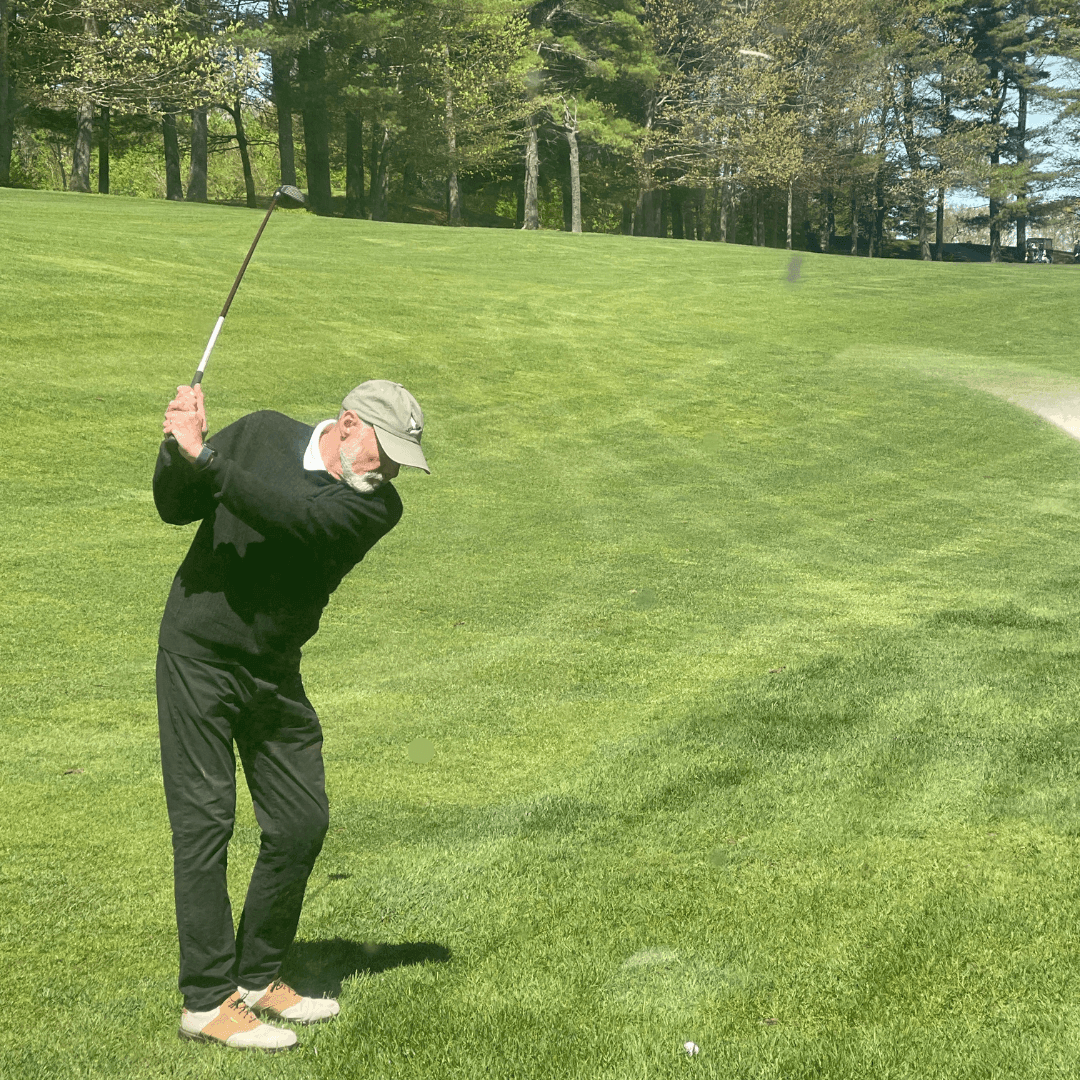
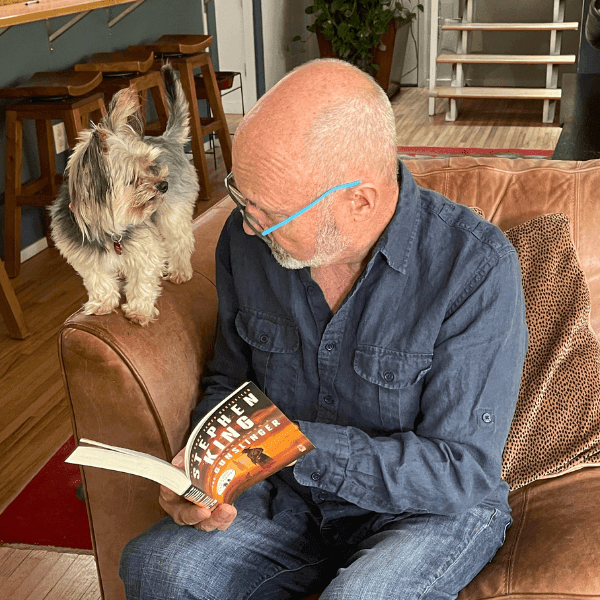
Tim is my husband, a writer, a golfer, a dog walker, a first-rate salmon smoker, and a man who can still hold court when the conversation gets interesting.
After his Alzheimer’s diagnosis, we were given plenty of warnings about what he should stop doing. What we were not given was a practical way to help him keep doing the things that still make life his.
MiM grew from that missing answer.
Tim is not the inspiration safely tucked behind the project. He is living the reason for it.
Who MiM Is For
Different journeys. The same right to remain involved.
Our story began with Alzheimer’s. Yours may begin with MCI, PCA, Lewy body dementia, another form of cognitive change, or simply the unsettling knowledge that something is different.
MiM is for Travelers in the early stages of cognitive change, whether they are supported by a spouse, partner, adult child, friend, neighbor, or trusted member of their community.
It is also being designed for people navigating early change more independently, with support available when needed rather than hovering over every decision.
MiM is built for real homes and real lives, where routines go sideways, dogs interrupt, people become frustrated, and tomorrow still needs a plan.
🌟From the MiM Spark Blog
Little nudges, big shifts — explore our latest thoughts from the MiM Spark Blog.
The Missing Middle: Creating Memory in Motion for Early C...
Oct 13, 2026
When Someone Else Speaks for You, Whose Voice Do They Use?
Oct 12, 2026
Can Puzzles Really Reverse Cognitive Impairment?
Oct 01, 2026
The Diagnosis Was Dementia. The Prescription Was Disappea...
Jul 30, 2026
The Fine Print Behind “Breakthrough” Alzheimer’s Drugs
Jun 29, 2026
Dementia: Myths vs. Facts
Jun 26, 2026
Still Us: Help Build What Comes Next
We are looking for Founding Teams willing to help shape MiM through real daily life, and Advocates who believe a diagnosis should not mean disappearance.

Travelers and Supporters can help us understand what works, what feels useful, and what families actually need. Advocates can help spread the word, refer people who may benefit, open doors, and make certain MiM reaches beyond our own small circle.

We are not looking for empty praise. We are looking for people willing to help make MiM worthy of those who will depend on it.

Raising your hand is simply an expression of interest. It is not a commitment.
